

What happens to your car after it gets towed
The lot or the shop, the daily meter, and what it takes to get the car back. The fork at the scene decides most of the cost, and every dollar figure here is an invented example, not a quote.
A towed car goes to one of two places: a storage or impound lot picked by rotation, or a destination you name. The lot starts a meter that charges by the day from the day the car arrives, on top of the tow and an administrative fee. Getting the car out takes proof of ownership, photo identification, and payment of everything accrued. Leave it sitting and a state lien process eventually lets the lot sell it. The cheap version of this week is one move: the car goes from the scene, or out of the lot, straight to the place that will handle it, and the tow and the repair get arranged as one request instead of two.
Collision Bureau is not a law firm and this is not legal or medical advice. It is general information about what happens after a crash. For advice on your situation, talk to an attorney licensed in your state or a treating clinician.
Where the truck can take the car
Two different trucks can show up at the same crash, and they take the car to two different worlds. When police order the tow, because the vehicle is blocking a lane or the driver left in an ambulance, the truck usually comes from a rotation list, and the car goes to the storage or impound lot that company uses. You do not pick the lot. You may not even know which lot it is until you ask the responding agency or read the report.
When you arrange the tow yourself, or tell the officer you have one coming and the scene allows the wait, you name the destination. A repair shop. Your driveway. A storage spot you control. The truck is the same piece of equipment either way. The destination is the decision.
That decision usually gets made in under a minute, at the worst possible time to make it. You are standing on a shoulder, the operator is asking where the car should go, and the honest answer is that you do not know yet. Most people say the only thing that buys time, which is the lot. The lot is the expensive version of buying time.
Picture the ordinary version. A rear-end crash at rush hour, the radiator pushed into the fan, the driver checked by paramedics on the curb. The officer wants the lane open and calls dispatch, dispatch calls the next company on the list, and the car is gone before the driver's phone is back in their hand. Nobody did anything wrong. The system worked exactly as designed, because the system is designed to clear the road, not to protect your week. Protecting your week was always going to be your job, and it starts the moment the hook is in the air.
There is also a version where you get a say even on a police scene. If the vehicle is out of the travel lanes and the officer is not holding it, you can ask to call your own tow, and some officers will give you the 20 minutes. It costs nothing to ask. The worst answer is the rotation truck you were getting anyway.
The words people use at the scene blur together. Lot, impound, storage, yard. The differences matter less than the thing every version shares: a gate, posted hours, and a daily charge that starts immediately. Tonight the useful question is not what the place is called. It is which side of the fork the car took, and what the next move costs from that side.
One more scene-level fact: the tow operator is not your adversary and not your advisor. They get paid the same wherever the car goes, by whoever the payer turns out to be, and most will answer a direct question straight. Ask what the destination means for the bill. Operators watch this fork all day, and the candid ones will tell you the yard is where bills grow.
Who ordered the tow changes the rules
Not every tow is the same transaction. The question that sorts them is who asked for the truck, because the answer decides where the car goes, who sets the price, and how much say you have in any of it.
When an officer orders the vehicle removed, a blocked lane, a driver in an ambulance, a car that is part of an investigation, the truck comes off a rotation list. Jurisdictions keep a roster of approved towing companies and call them in turn, which is why nobody at the scene can tell you in advance which company you will get. The car goes to that company's storage yard or to a police impound, and the charges usually follow a schedule filed with the city or county rather than a number anyone negotiates on the shoulder.
Rotation fee schedules are usually public. The city or county that runs the list files the approved charges, and you can ask for them. That matters later, when the itemized invoice arrives and you want something official to set beside it.
An impound with a hold is its own case. If the vehicle is evidence, if the driver was arrested, if the agency flagged it for any reason, the lot cannot release it even to a paid-up owner until the agency clears it. Release then has two steps: the agency's clearance first, the lot's gate second. Ask which situation you are in on the first call, because paying the lot does not clear a hold, and the storage meter usually runs while the hold stands.
If you suspect a hold, do not guess. Call the agency's records or vehicle release unit and ask three questions: is there a hold, what clears it, and what paper proves the clearance. Some agencies issue a release form you carry to the yard. Some notify the yard directly. Either way the sequence is fixed, agency first, gate second, and showing up at the gate with cash does not change it.
A private property tow runs under different rules again. The apartment lot, the fire lane, the space with somebody else's name on it. The property's towing contract decides the company and the destination, and many states and cities regulate what these tows can charge and how quickly the company must report the tow. You find the car through the posted towing sign or the property manager, not through police dispatch.
The private property tow, in detail
This is the tow that happens without a crash: the car parked in a reserved space, a fire lane, an expired-permit spot, gone when you come back. The property's contract sent it, and the rules around this category are the most regulated corner of towing, because it is the corner with the longest history of complaints. Many states and cities require posted signs naming the towing company and its phone number, require the company to report the tow to local police shortly after the hook, cap the charges, and give you the right to retrieve the car promptly rather than during business hours only.
Two moves are worth knowing. First, the drop: in a number of places, if you return while the car is still being hooked, the operator must release it on the spot, sometimes for a capped drop fee, sometimes for nothing. Second, the complaint: private property towing is enforced by somebody in your area, a consumer protection office, a towing board, a police unit, and the posted sign plus your itemized receipt is most of the case file. None of this is legal advice, and the specifics swing hard from place to place. The point is narrower than the rules: this category has rules, the rules are local, and the sign on the fence is where they start.
A tow you request is the one you control. You pick the company or you have one routed to you, you name the destination, and the price is agreed before the hook drops. And once an insurance claim is open, the insurer will often arrange transport as part of handling the vehicle, moving it from a daily-fee lot to a shop or to storage it pays for. Who asked for the truck is the first fact to establish. Everything else in this guide keys off it.
| Who ordered the tow | Where the car usually goes | Who picks the destination |
|---|---|---|
| Police, after a crash | The rotation company's storage yard or a police impound | The rotation system, not you |
| You, at the scene | Wherever you name: shop, home, storage you choose | You |
| A private property owner | The lot named in the property's towing contract | The property's contract |
| Your insurer, after a claim opens | A shop or storage arranged as part of the claim | You and the adjuster together |
General patterns, not rules. Local practice and state law control, and the specifics vary by place.
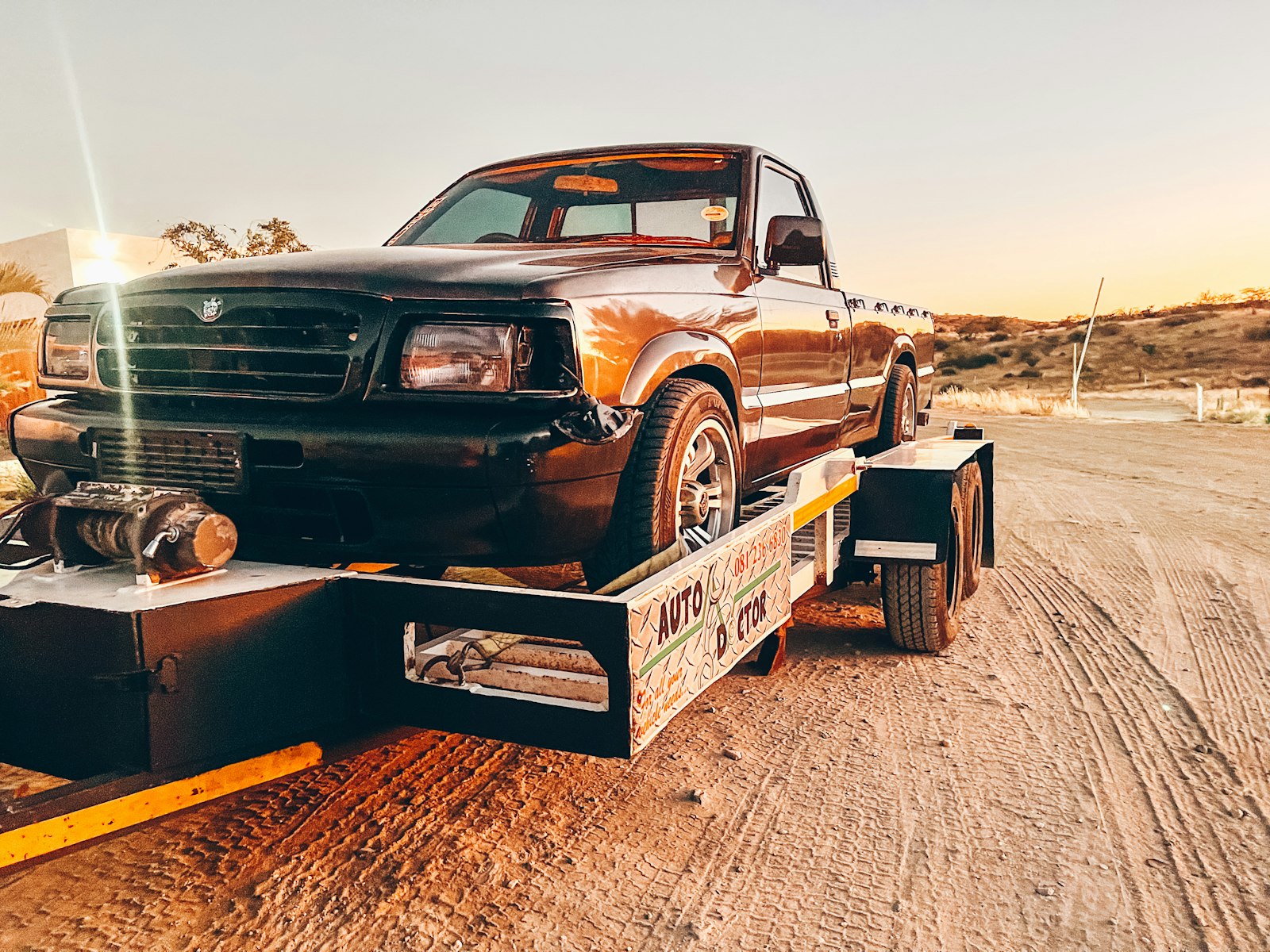
Why the destination matters more than the tow
The tow is one line on the bill, and it is roughly the same line no matter where the truck goes. Hook the car, drive the miles, drop it. The destination is what decides everything after that line.
A car in a storage lot is a car on a meter, behind a gate with hours, where it cannot be inspected, estimated, or repaired. A repair estimate gets written by a shop with the car in front of it, which is why the estimate, the number that decides repair or total loss, waits until the car arrives somewhere a person can open the hood. The way a repair estimate gets built is its own subject, but it cannot begin behind a gate. A car towed straight to a shop starts that clock the same day. A car towed to a lot starts a different clock, the one that charges by the day and produces nothing.
The destination also decides who can reach the car. An adjuster or an estimator has to lay eyes on the vehicle, and a car in a commercial yard sits behind gate hours, staff availability, and sometimes a fee just to get a person to it. A car at a shop or in your driveway can be inspected the day somebody is ready to inspect it. Friction here is not drama. It is days, and days are the unit the meter bills in.
Naming a destination carries one obligation: the destination has to take the car. A shop accepts a vehicle during its hours, or through an after-hours arrangement you set up on the phone, a key drop and a signed authorization. Your own driveway accepts the car at any hour, but think one step ahead: a car that cannot roll needs a flatbed to move again, and a car leaking fluids needs something under it. Thirty seconds of planning at the scene saves a stuck vehicle at the wrong address.
Have the sentence ready before the operator asks. It sounds like this: the car goes to this shop, at this address, and here is the phone number I just confirmed. Three facts, ten seconds. The alternative sentence, take it to your yard for now, sounds easier and costs more, and the whole difference between them was one phone call made from the shoulder.
Shops can charge storage too, when a vehicle sits with no authorization to work on it. The difference is who wants what. A shop wants the repair, so its interest is in moving your car forward. A yard wants the days. Same word on the invoice, opposite incentives underneath it.
Here is the test. Ask what the car can do at the destination. At a shop, it can be estimated. At your home, it can wait for free. At a lot, it can only cost money.
The tow costs about the same wherever the truck goes. The destination decides whether the next clock produces an estimate or a bill.
What happens when the car arrives at the lot
The car does not just get parked. When a vehicle comes through the gate, the lot logs it: date and time in, the tow ticket, usually a condition walkaround, often photographs, sometimes an inventory of visible contents. The log entry is what starts the storage meter, and the condition record is the lot's protection against claims that the yard damaged the car. It can be your protection too, if you know it exists.
Your copy of the same record is the set of photographs you take before the truck leaves the scene. Four corners, the roofline, the odometer, the interior, anything already loose or broken. A disabled car gets winched, dragged, lifted, and parked by people working fast, sometimes in the dark, and a damage argument weeks later is word against word unless somebody has timestamps. The shop that writes the estimate will also separate crash damage from everything else more cleanly when scene photos exist.
Valuables are a separate problem. The intake inventory lists what is visible, not what is in the trunk or under a seat, and a yard's responsibility for contents is usually narrow. The practical rule is the one you already know: anything you would mind losing leaves the car with you at the scene if you are able, or on the first belongings visit if you are not. Wallets, laptops, tools, the dashcam and the card inside it. The dashcam card especially, because it may be the only neutral witness to the crash, and it belongs in your pocket, not in a yard.
Here is the habit that costs ninety seconds. Photograph the car at the scene before it moves. Photograph it again at the lot before it moves again. The two sets bracket the tow, and anything that appears between them has a clear owner.
If a dispute does start, ask the lot for its intake record and the tow ticket. They keep both, because the vehicle file is how they get paid. The paperwork exists. Most people never ask for it, and the ones who do are the ones who photographed the car first.
The intake record has one more use. It fixes the mileage and the fuel level on the day the car entered, and it dates the start of storage to the hour. That matters on the day the car leaves, because the bill counts from the date in the log. If you ever face a bill that counts from the wrong day, the yard's own record is the first exhibit, and you are allowed to ask for it before you pay.
If the car did pick up new damage between your two photo sets, put the claim in writing to the towing company, with both sets attached and the tow ticket number on top. Companies carry insurance for exactly this, and a documented claim with timestamps is a different conversation than an angry phone call. Where the company will not engage, the written file is what every next step runs on, and inexpensive venues for small disputes exist in every state.
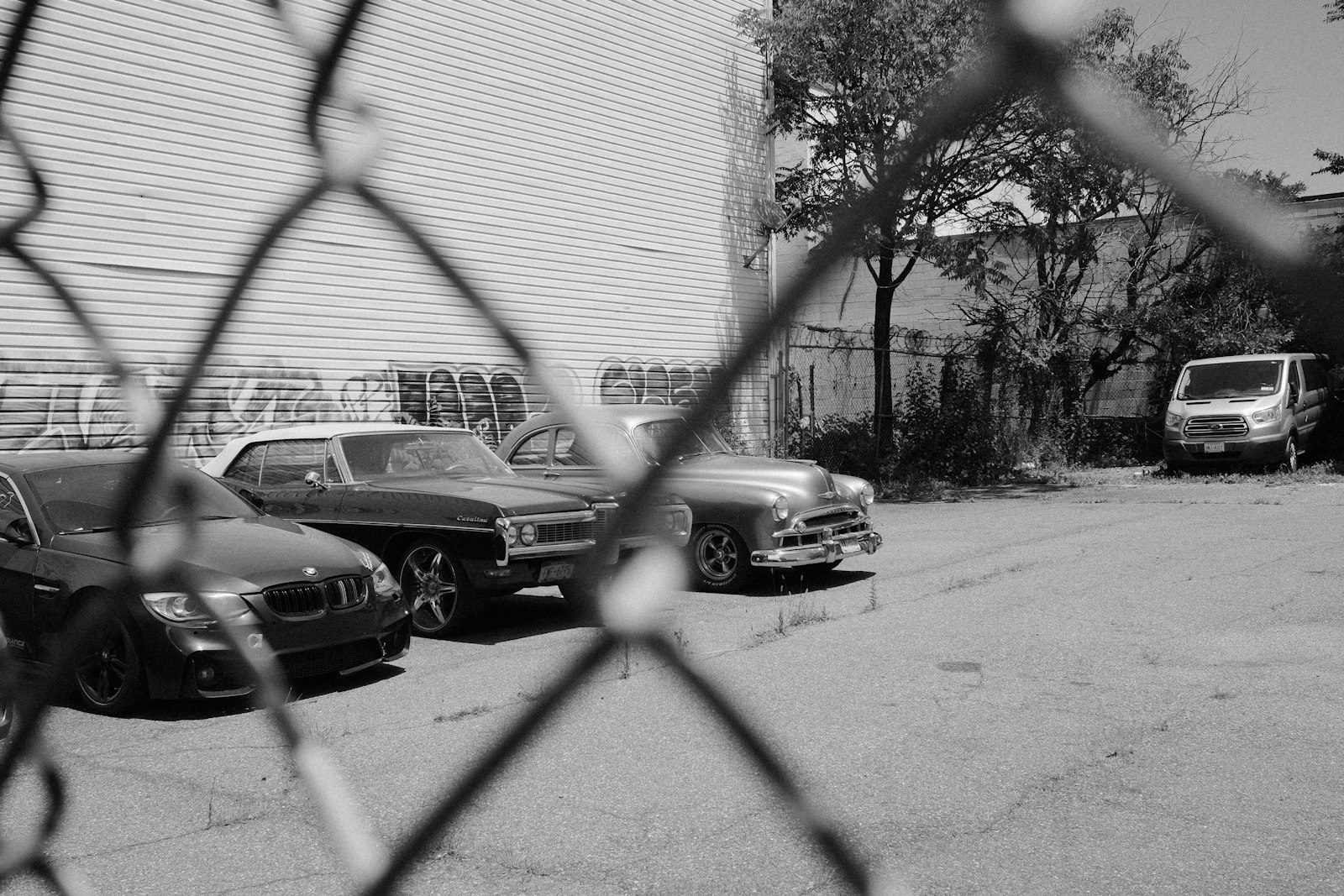
The storage meter starts the day the car lands
Storage lots charge by the calendar day, and the first day is usually the day the car arrives, not 24 hours later. Arrive Friday night, and by Monday morning the car can owe 3 days of storage before anyone has returned your call. Weekends count. Holidays count. The meter has no pause button and no interest in your claims process.
Partial days commonly bill as whole days. A car released at nine in the morning often owes for that morning, because the day started with the car inside the gate. The hour you retrieve the car matters far less than the date, which is one more reason the phone call beats the optimistic drive over.
The weekend is the trap built into the calendar. A Friday evening crash puts two billable days between you and the first business morning, and most of the phone numbers you need answer Monday through Friday. You cannot move the weekend. You can move your own timing: the locating call and the lot's five answers can happen Saturday morning, so Monday is for the release, not for the research.
The bill usually has three parts. The tow itself, hook plus mileage. A gate or administrative fee for processing the vehicle in and out. And storage, the daily charge, the one that compounds the problem by repeating. Some yards add after-hours release fees, or equipment charges when the recovery was difficult. Ask for the full fee schedule on the first call, because the lot will quote the daily number and the rest arrives at the gate.
Two quieter variables hide in the daily number. Vehicle class, because trucks, RVs, and motorcycles often carry their own storage charges. And indoor storage, which some yards bill at a higher daily figure. Ask which number your car is on and why, because outdoor is the default, and a move indoors is sometimes a choice the yard made for its own reasons.
People leave the car in the lot while they wait for an adjuster, a callback, or a decision, and the meter runs through every one of those waits. The lot does not care whose fault the delay is. The days get billed to the owner either way.
A week on the meter, in numbers
Here is what the arithmetic looks like with invented numbers, chosen only to show the shape. Say the tow is $225, the gate fee is $75, and storage runs $60 a day.
| Day | Charge added (example) | Running total (example) |
|---|---|---|
| Day 1 | Tow $225, gate fee $75, first day of storage $60 | $360 |
| Day 2 | Storage, $60 | $420 |
| Day 3 | Storage, $60 | $480 |
| Day 4 | Storage, $60 | $540 |
| Day 5 | Storage, $60 | $600 |
| Day 7 | Storage, two more days, $120 | $720 |
| Day 10 | Storage, three more days, $180 | $900 |
Invented example figures, for illustration only. Charges vary by company, city, and lot. Nothing here is a quote, an average, or market data.
The shape is the point, not the numbers. The one-time charges happen once. Storage repeats, and by the end of the first week it has quietly become the largest line on the bill. By day ten in this example, the storage alone passes the cost of the original tow.
Put a decision lens on the same table. By day three, with location, balance, and destination known, this example bill stands at $480 and stops growing the moment the tow-out happens. The same decisions made on day ten cost $420 more, and the car is no closer to repaired, because nothing that happened in the yard moved the claim. The gap between day three and day ten is not money spent on the car. It is money spent on not deciding.
One-time charges are a floor. Storage is a slope. After the first few days, the bill belongs to the slope.
The anatomy of a tow bill
A tow bill is a stack of named line items, and the names matter because every named line can be checked, questioned, or claimed later. The unnamed lump sum cannot. The first thing to ask any towing company or storage yard for is the itemized invoice, and the second thing is the fee schedule the items come from.
The base charge is the hook fee, the price of the truck showing up and taking the vehicle. Mileage rides on top, usually per mile from pickup to destination. Then come the situational charges. Winching or recovery, when the car left the road and had to be pulled back to it. Dollies or a flatbed, when the car cannot roll on its own wheels. Cleanup, when the scene left debris. Each of these describes labor or equipment that either happened or did not, which is why the itemized version matters. You were there. You know whether the car was in a ditch.
The storage side has its own vocabulary. The daily storage charge. The gate or administrative fee for processing the vehicle. An after-hours release fee, when you retrieve outside business hours. And when a car sits long enough, lien processing and notification charges, the cost of the paperwork the lot files to start the clock described later in this guide. Those last items are the bill telling you the situation is escalating.
Here is the test for any line you do not understand. Ask what physically happened to generate it. A real charge has an answer: the truck drove 11 miles, the car needed a winch, the vehicle crossed a second calendar day. A line with no event behind it is a line worth questioning, politely, in writing.
If a line fails the test, dispute it in writing, and dispute it from outside the gate. Paying the balance to release the car does not surrender the argument. Note on the receipt that a line is disputed, keep the copy, and take the question to the company in writing, with the city's filed schedule beside it if one exists. What you should not do is leave the car inside while you argue, because the meter runs during disputes, and the meter is on their side of the fence.
Ask for the tow ticket at the scene, or photograph it on the operator's clipboard. The ticket is the birth certificate of the bill: company, truck, origin, destination, miles. Every later line item has to reconcile with it, which is exactly why you want your own copy from minute one.
One more habit: photograph every invoice and receipt the moment it is handed to you, and keep the photos in one album with the scene shots. Paper from a towing week has a way of scattering, and the claim will ask for all of it at once, weeks from now, when the jacket pockets have stopped remembering.
| Line item | What it is | When it shows up |
|---|---|---|
| Hook or base fee | The truck arriving and taking the vehicle | Every tow |
| Mileage | A per-mile charge from pickup to destination | Every tow, distance dependent |
| Winching or recovery | Pulling a vehicle back to the roadway | Off-road or ditch recoveries |
| Dollies or flatbed | Equipment for a car that cannot roll | Wheels or drivetrain damaged |
| Gate or administrative fee | Processing the vehicle in and out of the yard | Storage lots, usually once |
| Daily storage | The per-day charge for the space | Every calendar day in the yard |
| After-hours release | Staffing the gate outside business hours | Only if you retrieve off-hours |
| Lien processing and notification | Paperwork the lot files on a long-sitting car | When the car sits unclaimed |
Names and groupings vary by company and by place. Ask for the itemized invoice and the name of every line.
Finding a car you did not watch leave
A surprising number of people spend day two not knowing where the car is. The ambulance left with you in it, the scene cleared without you, and the vehicle went wherever the rotation sent it. The meter does not wait for you to find out.
Start with the agency that worked the crash, on the non-emergency line. The tow went out over their dispatch, so they can name the company and usually the yard. The crash report will list it too, but the report can take days to become available and the phone call takes minutes. Order the report anyway, because the claim will want it. Just do not wait for it to locate the car.
Some cities run online impound lookups, searchable by plate or VIN. If the tow came off private property, the posted sign at the entrance names the company, and the property manager holds the contract. Between dispatch, lookup, and signage, a towed car is findable within an hour from a phone, from anywhere, including a hospital bed with a borrowed charger.
Make the calls with the facts in front of you. The plate, the VIN if you have a photo of the registration, the crash location and time, the report number if the officer gave you a card. Dispatch logs are searched by incident, and the person on the phone finds the right one faster when you can name the intersection and the hour. If you are calling for someone in a hospital bed, get those facts from them in one conversation, and let them rest.
If dispatch has no record, widen the circle by one ring. Crashes near a boundary get worked by the agency on the other side of the line more often than people expect, so try the county where you tried the city, or the state patrol where the road was a highway. And if no agency anywhere has the vehicle, say the word stolen out loud, because a car missing from a crash scene with no tow record is a report to file, not a mystery to sit with.
Then call the yard itself and open the file. Confirm the vehicle is there. Get the balance so far, the daily storage charge, the full fee schedule, the documents required for release, and the gate hours. Write down the name of the person who answered. That one call converts an unknown into a plan, and it is the cheapest call in this entire process.
Every day spent not knowing where the car is gets billed exactly like a day of knowing. The dispatch log could have answered the question on day one. The meter ran while nobody asked it.
What the lot needs before the gate opens
Release comes down to three things at almost every lot. Proof of ownership, photo identification, and payment.
Proof of ownership means the registration or title. If a bank or finance company holds the title, some lots want authorization from the lienholder before the car moves. Photo identification means government issued, matching the ownership paperwork. Payment means the full accrued balance, and lots are particular about method. Some are cash only. Some take cards with a fee. Almost none take a promise that an insurer will handle it.
Here is the call to make before you drive over. Ask for the exact balance through today. Ask which documents they require for your situation: owner present, owner absent, lienholder on title. Ask which payment methods they take. Ask the gate hours, and ask if release happens during all of them, because some yards release vehicles in a narrower window than they answer the phone. Five questions, one call. The alternative is a wasted trip, and a wasted trip to a storage lot has a daily price.
Time the trip inside the window. Go early in the release hours, not at the end of them, because a missing signature discovered at closing time is a problem that waits overnight at the daily price. Bring a second payment method, and bring the lienholder's customer service number if the car is financed. The trip you want is boring, and boring is engineered in advance.
Two smaller pieces of arithmetic. Get the quoted balance in writing or by text if the yard will send it, with the name of the person who quoted it, so the gate total and the phone total have to meet. And if your schedule only allows an evening pickup, compare the after-hours fee against another day of storage. In the invented numbers above, a $75 after-hours fee sits close to a $60 day, and the real version of that comparison takes ten seconds once you hold both numbers.
An owner with no registration, a spouse who is not on the title, a payment method the lot does not take. Each one turns a release into a return trip, and every return trip is another day on the meter.
When someone else has to pick it up
The owner cannot always be the one at the gate. Hospitalized, out of state, or simply at work during the only release window the yard offers. Lots deal with this every day, and they deal with it on paper.
The standard instrument is a written authorization: the owner names the agent, both IDs travel with the document, and many lots want it notarized. A spouse who is not on the title is an agent, not an owner, and needs the same paper. For a company vehicle, a letter on company letterhead naming the driver usually does it. For a deceased owner, the yard will ask for the court paperwork that names the estate's representative. None of this is exotic. All of it is a phone call to confirm before anyone drives over.
The common case is simpler than the exotic ones. One spouse at work, the other at the yard, title in the working spouse's name. One signed authorization and two IDs solve it, and the 10 minutes it takes to write and sign that paper at the kitchen table is the difference between a release and a turned-away trip.
The rule is the same as the owner's rule. Ask the lot exactly what paper your situation needs, then show up with that paper and not an approximation of it. Yards do not bend on documentation, because releasing a car to the wrong person is the one mistake they cannot undo.

Your things inside the car
Personal items follow different rules than the vehicle. Most lots release personal belongings to the owner with identification during business hours, even while the storage bill is unpaid, because the lien is on the car, not on your child's car seat. Loose items generally qualify: medication, electronics, documents, the garage remote that opens your house. Anything attached to the vehicle stays with the vehicle. Rules vary by state and by lot, so call first. Get the essentials out on the first visit. The car might sit for a while. Your things should not.
Two items deserve their own sentences. Medication gets released on request almost everywhere, and saying the word medication on the phone moves the request faster. And a child's car seat that was in the vehicle during the crash may be finished regardless of how it looks. NHTSA publishes guidance on when a car seat should be replaced after a crash. Read it before strapping that seat into the next car.
Think about what the car knows about you, too. Registration and insurance cards carry your address. The garage remote opens your garage. If the vehicle will sit in a yard for weeks, or head to auction, those items should not sit with it. Clearing the glovebox takes two minutes during the belongings visit you were already making.
Before the visit, write the list from memory: what lives in this car. Glovebox, console, trunk, door pockets, under the seats, the cards in the visor. Memory works better at home than standing at a yard window with a line behind you, and the list travels well if the trip belongs to someone else.
If the car is headed for an auction or a sign-over, do the sweep as if the car is leaving your life, because it is. Check the spare tire well. Check under the seats with a phone light. The yard is not going to mail you what the next owner finds.
Who pays, and how the money comes back
The gate does not take an IOU, so the first version of who pays is almost always you. The second version, the one that plays out over the following weeks, depends on coverage and fault, and it rewards the person who kept paper.
There are three paths the money can come back along. Your own collision coverage can fold towing and storage into the physical damage claim, subject to the deductible. A roadside or towing benefit on your policy can cover a tow up to the benefit's limit. And when the other driver is at fault, their property damage liability coverage is the path for the tow, the storage, and the vehicle damage together. The Insurance Information Institute's plain summary of what a basic auto policy covers shows where each piece sits.
Which path first is a sequencing question more than a rights question. Your own collision claim tends to move fastest, because it does not wait for a fault decision. The liability path pays without a deductible but moves at the speed of the other insurer's investigation. The roadside benefit is small and simple and worth using where it applies. Lay the situation out for your adjuster and let the paths run in the order that fits it. The receipts serve all three equally.
| Payment path | What it can cover | What it needs from you |
|---|---|---|
| Your collision coverage | Tow and storage as part of the physical damage claim, after the deductible | An open claim and the receipts |
| Roadside or towing benefit | A tow, up to the benefit's stated limit | The benefit line on your declarations page |
| The at-fault driver's property damage liability | Tow, storage, and vehicle damage when the other driver is at fault | The liability claim, the receipts, and patience |
| Out of pocket | Everything, immediately, at the gate | Receipts for every line, for the paths above |
Coverage terms differ by policy and by state. Your declarations page and your adjuster hold the controlling answer, not this table.
Whichever path applies, it runs on documentation. The itemized tow invoice, the yard's fee printout, the release receipt, the photographs from the scene and the lot. Adjusters also read storage bills with one simple question: did these days need to happen? Days that trace to the process, a hold, a weekend, an inspection, read differently from days that trace to nobody deciding anything. You cannot rewrite the days afterward. You can make sure the record shows what each one was for.
One mechanism worth knowing by name: when your own insurer pays for damage another driver caused, it can pursue that driver's insurer to get the money back. That is subrogation, and it is the route by which a deductible you paid up front can come back to you after the companies settle their ledger. It is not fast, and it is not a certainty, but it is normal, and it is one more reason the itemized invoices matter. The paper you keep in week one is the paper that process runs on in month three.
The reimbursement file, assembled
Build the file like you will hand it to a stranger, because you will. The itemized tow invoice. The yard's fee printout with the daily charge visible. The release receipt showing the date out. The scene photographs and the yard photographs, with timestamps. The crash report number. A one-page log of dates: towed, located, called, released, delivered. That is six items, and every one of them was free to collect on the day it was created. A file like that does not argue. It answers every question in the order the adjuster asks it.
Dates matter as much as amounts. Note the day you reported the claim, the day the adjuster first saw the car, the day the release happened. If a question ever comes up about which storage days were reasonable, the answer lives in that short row of dates, not in anyone's memory of the week.
Paid now, argued later. The receipts are the argument, so collect every one of them while they are easy to get.
The meter is running. The request takes a minute.
One request covers the attorney, the tow, the repair, and the rental. It costs you nothing, ever.
The lien clock in the background
A storage lot does not hold your car out of spite. It holds the car because the unpaid bill is secured by the car itself. That is the lien, and every state has a version of it.
The process follows the same general shape everywhere. The lot notifies the registered owner and the lienholder of record, a waiting period runs, and when the notice period expires with the bill unpaid, the lot can begin the process that ends with the vehicle sold at auction to cover its charges. The deadlines, the notice requirements, and the sale rules are set by state law, and they vary widely from state to state. Some clocks are short. Your state's DMV publishes the schedule that applies to you. Read it before assuming you have time.
The notices travel by mail, to the address on the registration and to the lienholder of record. A stale address on the registration means the clock can run correctly, legally, and entirely without your knowledge. If you have moved since the registration was issued, do two things: give the yard a current phone number and mailing address in writing, and fix the registration. The lien process does not owe you a search party. It owes you a letter to the address you filed.
The lienholder's copy of the notice matters too. A bank that learns its collateral is accruing charges in a yard can step in to protect the loan, and what it spends doing that can find its way into your loan ledger. If the car is financed, call the lender early, tell them where the car is and what the plan is, and keep the loan out of the story.
The practical point is simple. An ignored car does not stay in limbo. It moves toward a sale on a schedule you did not pick, and depending on the state, a sale that does not cover the bill can leave a balance that still has your name on it.
If a lien letter does arrive, treat it as a deadline with a return address. It names the balance, the vehicle, and the date the next step becomes available to the yard. Answer it in writing even if you cannot pay yet, because an owner who responds and proposes a date is a different file than a silent one, and because your response fixes the record of when you knew. Then get the decision made before the date on the letter. The letter is not the end of anything. It is the process telling you, formally, exactly how much time is left, which is more courtesy than the storage meter ever gave you.
The lien clock runs on state law, not on your claim. Decide what happens to the car before the notice period decides for you.
When the car is not worth the bill
Some cars should not be rescued. An old sedan with heavy damage can be worth less than two weeks of its own storage, and the meter does not check the car's value before it runs.
Run the comparison early, while it is still cheap. Roughly what the car was worth before the crash, against what the yard will want by the end of the week. The repair estimate and the valuation process settle the official version later. The early version only decides urgency: a car whose value clears the bill comfortably can afford a careful plan. A marginal car cannot.
If the car is not worth retrieving, the options are narrow but real. Pay and move it anyway, because something about it matters more than the math. Arrange a salvage buyer to collect it and settle with the yard directly. Or sign the vehicle over, where the lot accepts the title against some or all of the balance. Yards entertain that conversation more often than people expect, because an auction is work and a signed title is not. None of this is advice about your claim. It is a list of exits, and every exit beats the one where the state's lien process picks for you.
If you do sign the vehicle over, make the paper do the work. The agreement should say the title transfer satisfies the balance in full, name the vehicle by VIN, and carry both signatures and the date. Keep a copy, and keep the plate if your state has you retain it. A clean handoff ends the story. A loose one leaves a car with your name near it in a yard's paperwork, and that is worth five careful minutes to prevent.
And if the car is a keeper for reasons arithmetic cannot see, a first car, a parent's car, then decide that on purpose, early, and pay the bill with open eyes. The expensive version is not sentiment. It is sentiment discovered in week three.
The bill crosses the car's value quietly, somewhere in the second week of thinking it over. After that point every option loses money, and the longer the thinking runs, the more it loses.
The tow-out, from lot to shop
Getting the car released and getting it somewhere useful are the same trip if you plan it, and two trips if you do not. The tow-out is the second tow, the one that moves the car from the lot to a repair shop, your home, or wherever the next step happens.
The destination question from the scene comes back here, and this time you can answer it. If the car looks repairable, the tow-out destination is the shop that will write the estimate, so the same truck trip that empties the yard also starts the repair file. If the damage looks heavier than that, the next section changes the answer. Either way, the goal has one shape: the car leaves the lot exactly once.
Decide the destination before the gate, not after. A tow-out to the right place is one charge. A tow home to think about it, followed by a tow to the shop you were always going to pick, is two.
Schedule the two halves of the trip against each other. The release paperwork and the tow-out truck should meet at the gate in the same hour, because a car released at ten that waits for a truck until Thursday is still in the yard, and the yard bills presence, not paperwork status. Call the shop first and confirm it can receive the car that day. Then book the truck. Then do the release. The order matters, and it runs backward from the destination.
It feels free because the meter stops. Then the estimate waits, the rental clock does not, and the car needs a third tow to reach the shop. The storage meter was only one of the clocks.
Heavy damage changes the destination math
Heavy damage changes the destination math, because a car that is headed for a total loss declaration is never going to a repair bay. Its last stop is a salvage sale, and every dollar of storage between here and there buys nothing.
You usually cannot be certain this early, but you can read the signs the way the process will read them. Airbags deployed. The frame visibly bent. An older car wearing damage across multiple panels. When the signs point that way, the move is to get the vehicle somewhere cheap or free to sit, cooperate with the inspection, and let the number get decided. The arithmetic behind how a total loss number gets decided is worth understanding before the offer arrives, because the offer arrives fast.
Once a claim is open, insurers commonly ask to move a vehicle out of daily-fee storage, to a shop, to storage they arrange, or straight through the inspection. Taking that transport seriously is usually the cheap choice. Fighting to keep a probable total loss in a yard that charges by the day is paying rent on a conclusion.
Expect the storage question to arrive in writing once a claim is open. Insurers send letters asking that the vehicle be moved out of daily-fee storage, and the letters tend to be firm, because storage is a cost everyone can watch growing. Read them as logistics rather than as pressure. The letter wants the same thing this guide wants: the car in a place where sitting is free, while the inspection and the arithmetic finish.
While the car waits for an inspection, tell the yard an inspector is coming. Some yards want notice to pull the vehicle somewhere reachable, and an inspector who cannot reach the car becomes a rescheduled inspection, which becomes more days. One call ahead turns the visit into a ten-minute stop instead of a second appointment.
One edge case worth naming: if the car is declared a total loss and you want to keep it, the storage and title rules shift again, and they shift by state. Ask the adjuster what keeping it changes, and ask your state's title office what the paperwork looks like, before you decide anything at the yard window.
The rental clock runs alongside
While the car sits, you still have to get to work, and the rental question runs on its own meter. Rental reimbursement coverage, when the policy includes it, comes with two caps written in advance: dollars per day, and total days or total dollars. Neither cap knows anything about where your car is parked.
The practical problem is sequencing. The rental window is most valuable while the car is actually being repaired. Days the car spends in a storage yard with nothing happening are days of commuting problems that produce no progress, and if a rental is running through them, they spend the caps too. The full mechanics are laid out in how rental coverage actually works after a crash, including what the caps look like on a declarations page.
If the policy has no rental line, the question becomes a fault question. When the other driver caused the crash, the cost of being without your vehicle is part of what their insurer answers for, in general terms, and documenting it works the way the tow receipts work: dates, costs, paper. What that is worth in your situation is a question for the claim and, where the number is large, for a licensed attorney. Asking costs nothing.
The test is one page long. Find the rental line on your declarations page tonight, before you need it. Per day, total, and any conditions. Thirty seconds of reading beats discovering the cap at the counter.
One request, one move
Every piece of this goes better when the pieces know about each other. The tow needs a destination. The destination depends on the repair. The repair decides the rental. That is why asking for the tow and the repair in one request beats asking for them one at a time: the destination of the tow becomes the shop doing the repair, the car moves once, and nobody pays to move a vehicle twice.
That is how the towing lane works here. Tell us where the vehicle is, say what else is coming, repair, rental, a total loss question, and the tow routes with the destination decided before the truck is dispatched. If the car is already in a lot, the request routes as a tow-out, destination first. The full sequence, from the scene through the claim, is laid out on the timeline.
The one-request shape is not a sales line. It is the mechanical consequence of everything above: the fork, the meter, the tow-out, the caps. Coordination is cheap at the moment of the request and expensive every hour after it.
Run the counterfactual against the invented numbers above. The coordinated version pays one tow and zero storage. The uncoordinated version pays the same tow, a week of storage, a gate fee, and a second tow, and arrives at the same shop a week later with a shorter rental window. Same crash, same car, same shop. The difference was never the providers. It was whether the request knew where it was going.
The same logic holds if you make every call yourself. Nothing in this guide requires anyone's help. It requires the calls in the right order, shop first, truck second, gate third, with the adjuster told as each one lands. What a single request changes is who keeps the order straight, on a week when you have other things to carry.
The tow, the repair, and the rental depend on each other. Ask for them together and the car moves once.
The first hours, as a checklist
Everything above compresses into a short list, and the list is front-loaded. The expensive mistakes in a towing week happen in the first hours, when every decision feels like it can wait until tomorrow.
- Photograph the car before it moves. Four corners, the odometer, the interior.
- Get the towing company's name and the destination from the operator, on the tow ticket if possible.
- If the destination is a lot, make the one call: balance, daily charge, fee schedule, required documents, gate hours.
- Decide the real destination within a day: the shop, your home, or staying put while a specific question gets answered, with a date attached to it.
- Get the essentials out of the car on the first visit. Medication and documents first.
- Keep every receipt, every invoice, every name.
Day two has its own, shorter list. Order the crash report. Open the claim. Put a date on the destination decision and tell the people who need to know it: the yard, the shop, the adjuster. By the end of day two, every clock in this guide should have an owner, and the only ones still running against you should be the ones you chose to accept.
3 weeks, three cars
Here is the whole guide compressed into 3 weeks that actually happen, with the example numbers from earlier doing the arithmetic. Invented figures throughout, as before.
The Friday rotation tow. A rear-end crash at seven on a Friday evening. The car goes out on rotation and the driver goes home in a rideshare, with photographs of the car on their phone because the checklist said so. Saturday morning, two calls: dispatch names the yard, and the yard gives the five answers, $360 owed so far in the example, $60 a day, card accepted, registration plus ID, gate open until noon. Saturday afternoon is the belongings visit: medication, documents, the dashcam card, a second set of photographs. Sunday costs $60 and nothing can be done about it, which is different from costing $60 because nobody called. Monday morning the shop says bring it, the tow-out books for noon, the release signs at eleven. Four yard days, about $540 in the example, and the estimate starts Monday afternoon. The slow version of the same crash runs to day ten and $900 and arrives at the same shop having produced nothing but a larger bill.
The hospital week. The driver rides to the hospital and stays. A sister gets three facts in one short conversation: the plate, the intersection, the hour. She makes the same calls from a waiting room chair. Day two, dispatch names the yard and the yard confirms the car. Day three, the driver signs an authorization from the bed, the sister carries it with both IDs, and the belongings come out, medication first. The car itself waits, because the repair decision needs the driver and the driver needs a week. But it waits with a date on it: tow-out Friday, destination the shop, paperwork already signed, and the adjuster told exactly which days traced to the hospital. The meter ran 7 days because it had to. Not one of them ran because nobody knew where the car was.
The car not worth saving. A sixteen-year-old wagon, heavy damage, worth perhaps a thousand dollars before the crash in the invented numbers. By day five the yard wants $600 and the arithmetic is closing fast. The owner stops treating the car as a rescue and starts treating it as an exit: one call to a salvage buyer produces an offer, one conversation with the yard produces a sign-over number, and the better of the two ends it on day six. Title transferred by VIN, balance satisfied in full, both signatures, dated, copy kept. No tow-out, no second week, no lien letters. The wagon was not worth its own bill, and the owner is the one who said so first, in writing, while saying so was still cheap.
None of this requires expertise. It requires doing it today instead of Thursday. The meter is the only participant in this process with no judgment and no patience, and it is also the one you can shut off fastest.
One request, before the next day gets billed.
One request covers the attorney, the tow, the repair, and the rental. It costs you nothing, ever.
Questions people actually ask
01Can I get my stuff out of the car?
Usually yes, and usually without paying the full bill. Most lots release personal belongings to the registered owner during business hours with photo identification, even while storage charges are still owed. Personal property generally means loose items: a child seat, medication, electronics, paperwork. Parts attached to the car stay with the car. Rules differ by state and by lot, so call ahead, ask what you can take, and bring your ID and proof of ownership. If medication is in the vehicle, say so on the call. Lots handle that request constantly.
02Who pays for the tow?
You do, at first, in most cases. The towing company bills the vehicle owner, and the lot will not release the car until its charges are paid. What happens after that depends on coverage and fault. Towing and storage can fall under collision coverage, a roadside benefit on your own policy, or the at-fault driver's property damage liability. Keep every receipt and every line item, because a reimbursement claim needs the paper. The paper is easy to get on day one and hard to reconstruct in week three.
03Can the lot keep my car?
Not if you pay what is owed and prove ownership. A storage lot holds the vehicle as security for its charges. That is the lien. It cannot keep a documented car from an owner who has paid the balance. What it can do is hold the car while charges accrue, and, if the car sits unclaimed past the notice period your state sets, start the process that ends with the car sold at auction. The lien exists to collect the bill, not to take the vehicle, but an ignored bill becomes the vehicle eventually.
04How fast do fees grow?
By the day, from the day the car arrives. Daily storage is the engine of the bill. The tow is one charge, the gate or administrative fee is one charge, and storage repeats every day the car sits, weekends and holidays included. Amounts vary widely by city and by lot, so ask the lot for its daily storage charge and its full fee schedule the first time you call. Then treat every day of delay as that number, in cash, added to the cost of getting your car back.
05How do I find out where my car was towed?
Start with the agency that worked the crash. The police or sheriff's non-emergency line can tell you which company took the vehicle and where it went, because the tow went out over their dispatch. The crash report lists it too, once the report is available. Some cities run online impound lookups searchable by plate or VIN. If the car was towed from private property rather than a crash scene, the posted towing sign or the property manager names the company. One phone call usually answers it. Days of not knowing are days of storage.
06Can I choose where my car gets towed?
Often, if you say so at the scene and the vehicle is not blocking traffic or part of an active investigation. When police order the tow for a blocked lane, the car typically goes to a rotation or impound lot and you choose the destination later, at tow-out. When you arrange the tow, you name the destination: a repair shop, your home, anywhere that will take it. The moment to speak up is before the truck leaves. After that, changing the destination means paying for a second tow.
07What do I need to get my car released?
Three things, at almost every lot: proof you are the owner or the owner's authorized agent, government photo identification, and payment of the accrued charges. Registration or title covers the first. Some lots want the lienholder's authorization if a bank holds the title, and some accept only certain payment methods, so call before you go. Ask for the exact total, the documents they require, and the gate hours. One call done right saves a second trip, and a second trip is another day of storage.
08Can the lot charge whatever it wants?
Not usually. Many states and cities set maximum charges for tows the owner did not ask for, police-ordered and private-property tows especially, and require itemized invoices on request. The specifics vary widely by place, and consensual tows you arranged yourself are typically priced by the market instead. Ask for an itemized bill, and compare it against the fee schedule your city or state publishes if one exists. If a line item has no name, question it. Your state's consumer protection office handles towing complaints in most places.
09Do I have to pay for storage days caused by someone else's delay?
At the gate, yes. The lot bills the vehicle's owner for every day, whoever caused the day, and it will not referee the question of whose delay it was. Reimbursement is where that argument happens. Keep a simple log of what each stretch of days traces to: a hold, a weekend, a wait for an inspection, an unreturned call, and raise it through the claim with the receipts attached. Days with a documented reason read differently from days without one. Where the amount is large, that conversation is one a licensed attorney can have for you.
10What happens if I just leave the car there?
The bill keeps growing, and then the state's lien process takes over. After a notice period set by state law, the lot can move to sell the vehicle at auction to cover its charges. Depending on the state, you can remain responsible for any balance the sale does not cover, and the abandonment can follow your title record. A car that is not worth its storage bill still deserves a decision. Signing it over or arranging disposal is cheaper than ignoring it. Ignoring it is the one option with no cap.